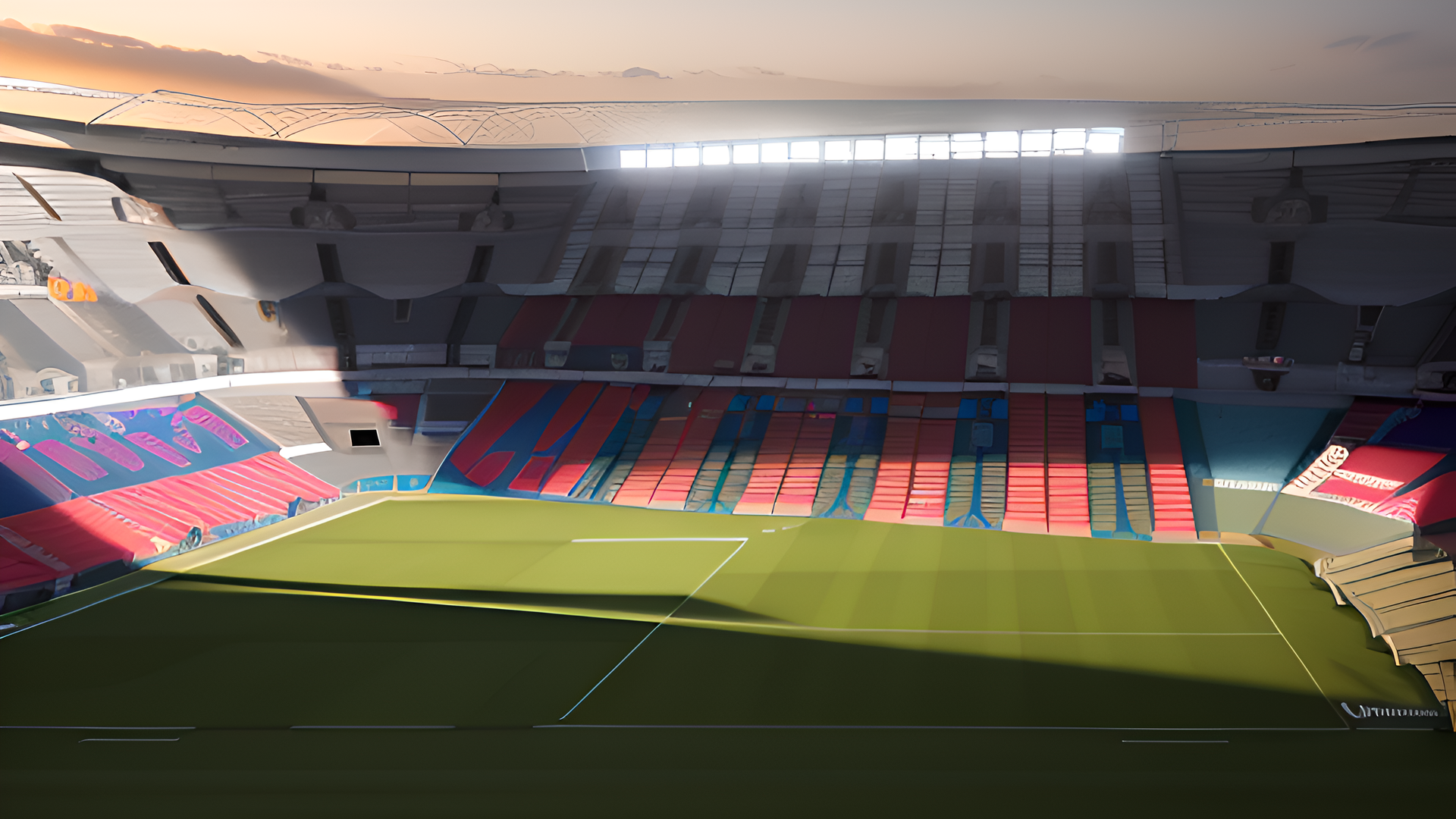
Designing a Sustainable Football Stadium Ekbatan, Ahvaz, Iran
Our work speaks for itself
Name of Architecture student
Academic OR Professional:
Project 1
Address Building Type Completion Role
Thesis Advisor:
Amir Marashi
Academic, Master of Architecture (M.Arch) Thesis
Designing a Sustainable Football Stadium Ekbatan, Ahvaz, Iran
Sports Architecture
September, 2014
Architecture student - Concept Design to end thesis presentation Farhad Kazemiyan Ph.D.
Practice Management and Professional Conduct
PC 1 - PC 3, PC 5 - PC10, PC 12, PC 13, PC 15, PC 16
In the realm of Practice Management and Professional Conduct, the Ahvaz football stadium thesis is an exhaustive exploration of architectural project execution. It intricately dissects the fundamental elements of client-architect agreements, spanning various procurement methods and project scales. The research emphatically underscores the paramount importance of maintaining lucid and unwavering communication with clients and stakeholders throughout the project’s lifecycle, including navigating the multifaceted approval processes.
Furthermore, the thesis critically assesses project feasibility, weighing factors such as site constraints, environmental sustainability, and preliminary cost analysis. It also delves into the implementation of ethical and legal obligations, encompassing strict adherence to professional codes of conduct, astute risk management strategies, and unwavering compliance with rigorous building codes and standards.
The stadium’s design is not merely a static architectural marvel; it is a dynamic entity that harnesses the power of AI. This cutting-edge technology empowers the stadium to adapt to various situations, altering its form and structure as needed. The AI management controls ensure optimal speed, security, and peak performance, leveraging a network of advanced cameras that monitor every facet of the stadium’s operations. This not only enhances the spectator experience but also elevates safety measures to the highest standards.
In summary, the Ahvaz football stadium thesis transcends conventional architectural practice. It sets a new benchmark by seamlessly blending sports, sustainability, safety, and the transformative power of AI, making it a monumental achievement in the world of architectural innovation and excellence. This research is poised to enhance architectural practice standards and contribute to successful project outcomes.
Designing Ahvaz Football Stadium
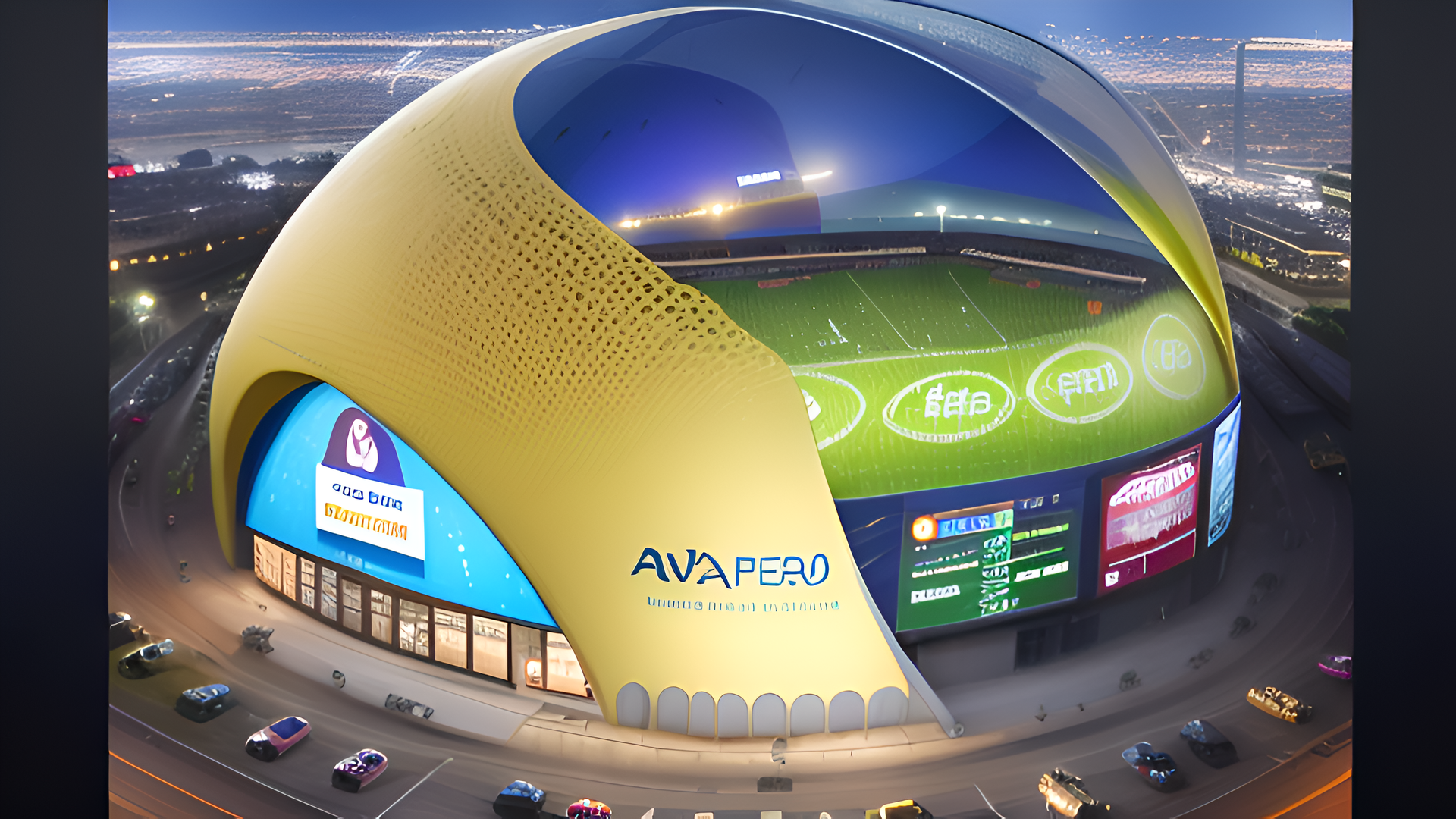
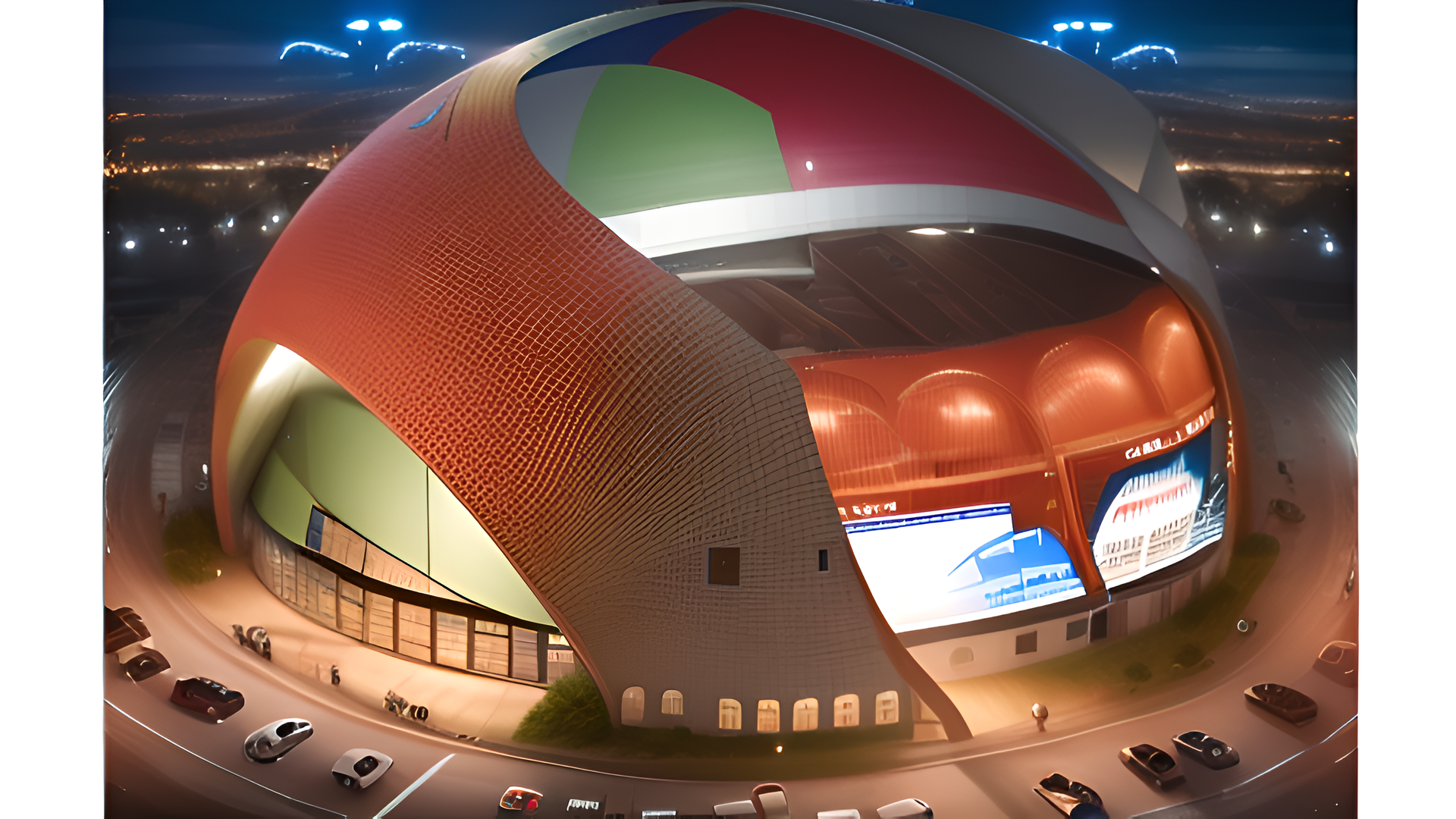
The exterior of the stadium with large monitors on the stadium shell
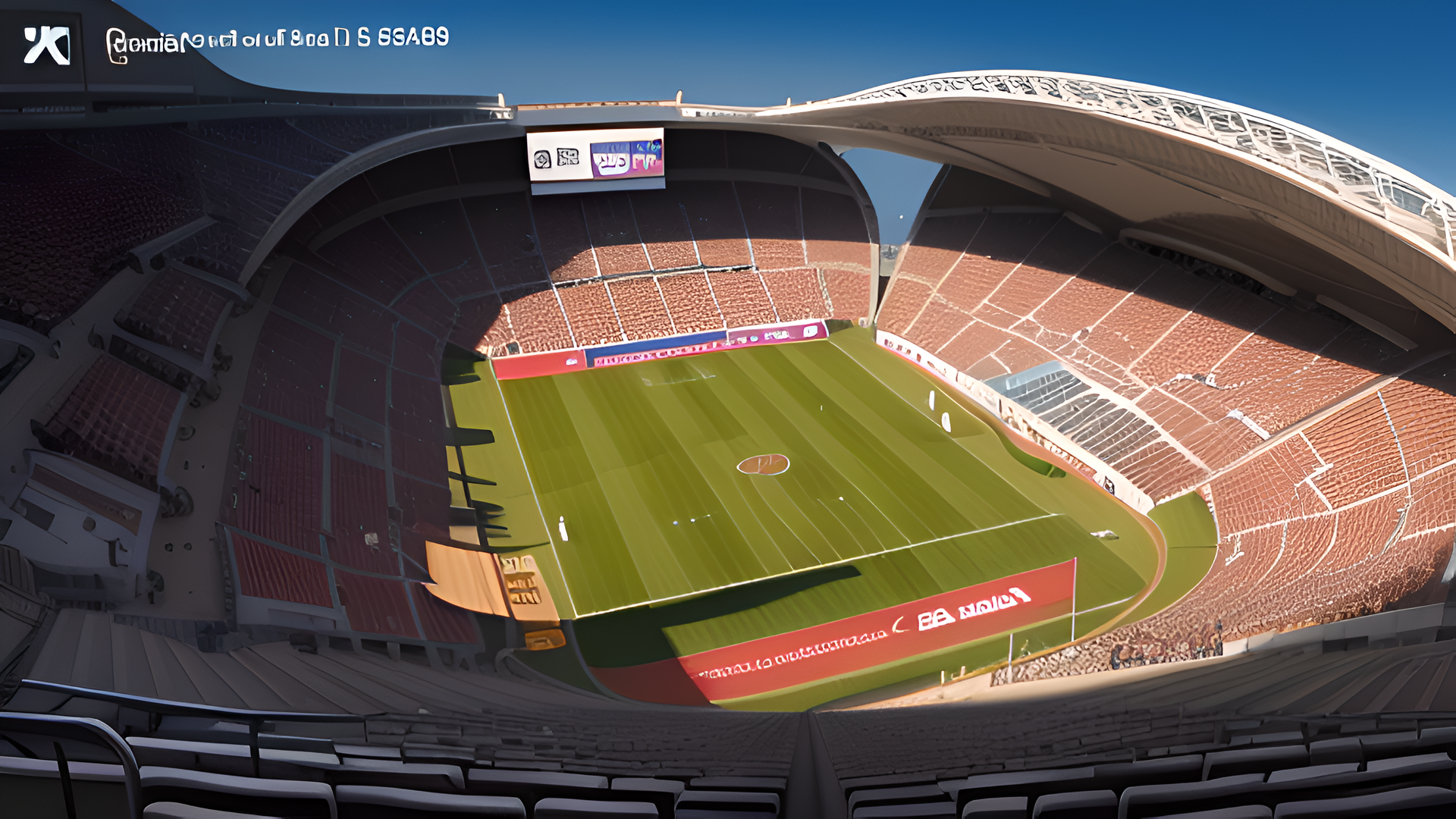
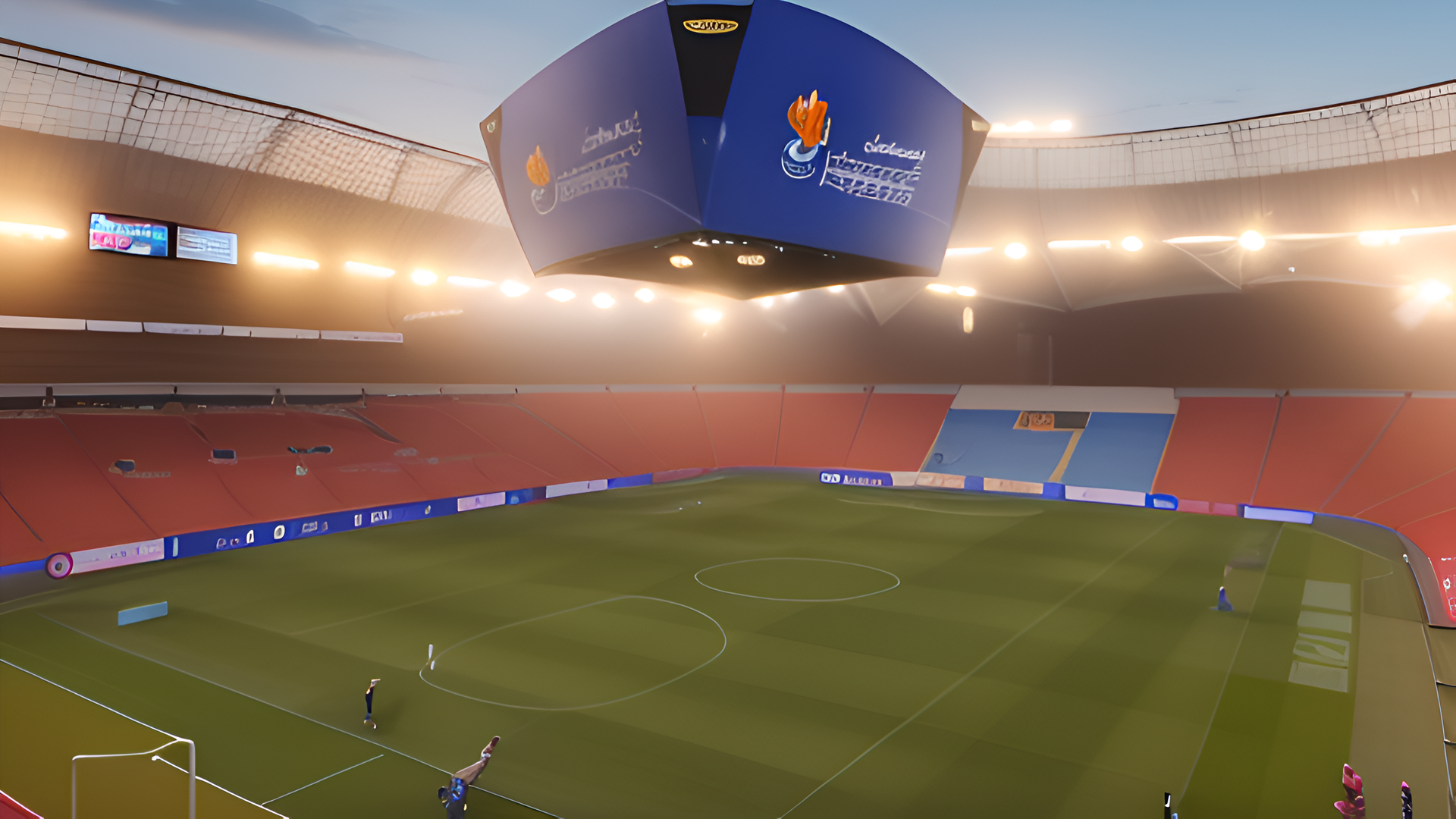
Interior view of the stadium with large monitors
The outer shell of the stadium opens and closes like an eyelid.
The outer shell of the stadium opens and closes like an eyelid.
Project 1 Amir Marashi, Architecture student
04 ARCHITECTURE PORTFOLIO, AMIR MARASHI
Project Initiation and Conceptual Design
PC 17 - PC 19, PC 23 - 34 PC
The Project Initiation and Conceptual Design phase of this architectural thesis focuses on laying the groundwork for a remarkable football stadium. Thorough research was conducted to assess site constraints, opportunities, and risks, while also conducting preliminary cost analysis to ensure feasibility. Culturally responsive engagement processes allowed for the integration of the community’s values and aspirations into the stadium’s design, aligning with their connection to the local context. Adhering to FIFA standards, the conceptual design prioritizes functionality, sustainability, and a captivating fan experience. The stadium’s retractable roof, coupled with innovative ETFE plastic panels and immersive technology, ensures ideal playing conditions and a vibrant ambiance. This thesis showcases the seamless fusion of architectural innovation, cultural appreciation, and the essence of football, resulting in a groundbreaking stadium that symbolizes excellence and sustainability.
Concept Sketches
Exterior Ideas and Realization Image
Interior Ideas and Realization Image
The stadium is located at the head of the Karun River The color of the stadium changes for football teams
LED lights on the ceiling Initial ideas
Initial sketches
Initial sketches
Air conditioning systems
The roof like an eyelidera lens
The roof of the outer shell moves on rails.
The movable outer shell acts as a protector
Project 1 Designing Ahvaz Football Stadium Amir Marashi, Architecture student
05 ARCHITECTURE PORTFOLIO, AMIR MARASHI
Detail Design and Construction Documentation
PC 36, PC 39, PC 40, PC 44 - PC 47
The thesis of the Ahvaz Football Stadium centers on the aspect of detailed design, where every element has been meticulously crafted to create a harmonious and functional architectural marvel. The stadium’s exterior, adorned with inflated ETFE plastic panels, not only adds to its visual appeal but also embraces sustainability by harnessing renewable energy through solar panels. The retractable roof further enhances its functionality, ensuring optimal playing conditions regardless of weather. Inside, cutting-edge technology takes center stage, with large video displays and strategically placed LED screens captivating the audience. The seamless integration of administrative and service spaces ensures convenience and safety for visitors. Through its commitment to detailed design, Ahvaz Stadium becomes a prime example of how innovative architecture can elevate the football experience while championing sustainability.
Cut from behind the stands Detail of turning the stairs
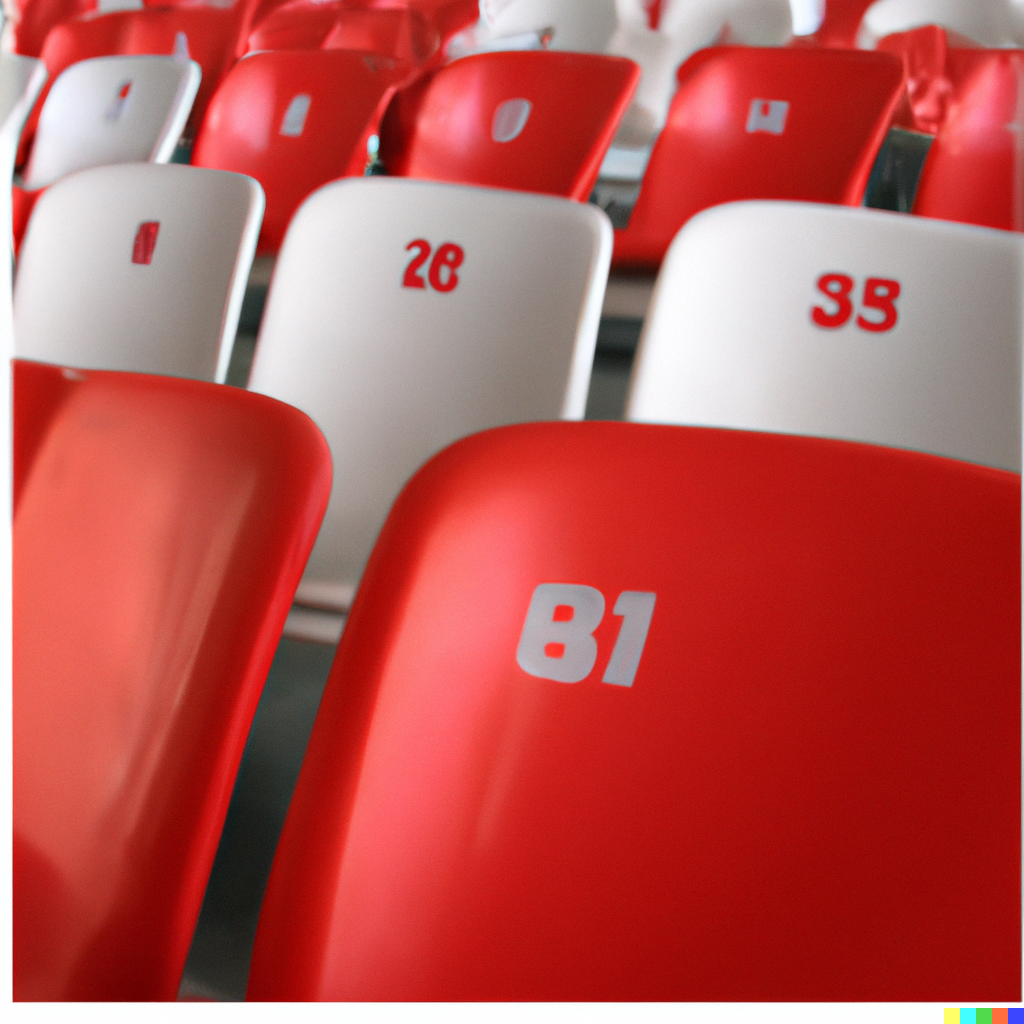
Seats with temperature control system
Wall-mounted seats for easier washing Water outlet for washing
Project 1 Designing Ahvaz Football Stadium Amir Marashi, Architecture student
06 ARCHITECTURE PORTFOLIO, AMIR MARASHI
Design Delivery and Construction Phase Services
PC 7, PC 13, PC 34, PC 48, PC 51, PC 54 - PC 58
During the Design Delivery Phase, the Ahvaz Football Stadium transforms from a visionary concept into a tangible reality. With meticulous attention to detail, the architectural plans are brought to life through comprehensive documentation and coordination. This critical phase involves collaboration with consultants, contractors, and suppliers, ensuring that the design intent is effectively communicated and executed.
Through careful selection of construction materials and systems, the stadium’s sustainability and performance objectives are upheld. Quality control measures are implemented to guarantee compliance with regulatory standards and contractual obligations. Periodic site visits enable rigorous quality assurance, and any defects are identified and rectified promptly.
Effective communication channels are established to keep stakeholders informed and engaged throughout the construction process. The Design Delivery Phase culminates in the presentation of a coherent and fully resolved project, ready to delight football enthusiasts and set the stage for unforgettable sporting experiences at Ahvaz Stadium.
Prevailing winds
Access routes
Site axes
Hotel rooms facing the playground
Press conference room
artificial intelligence Firefighters
The exterior of the stadium with large monitors on the stadium shell
Project 1 Designing Ahvaz Football Stadium
Site plan
Stadium control room
Amir Marashi, Architecture student
07 ARCHITECTURE PORTFOLIO, AMIR MARASHI
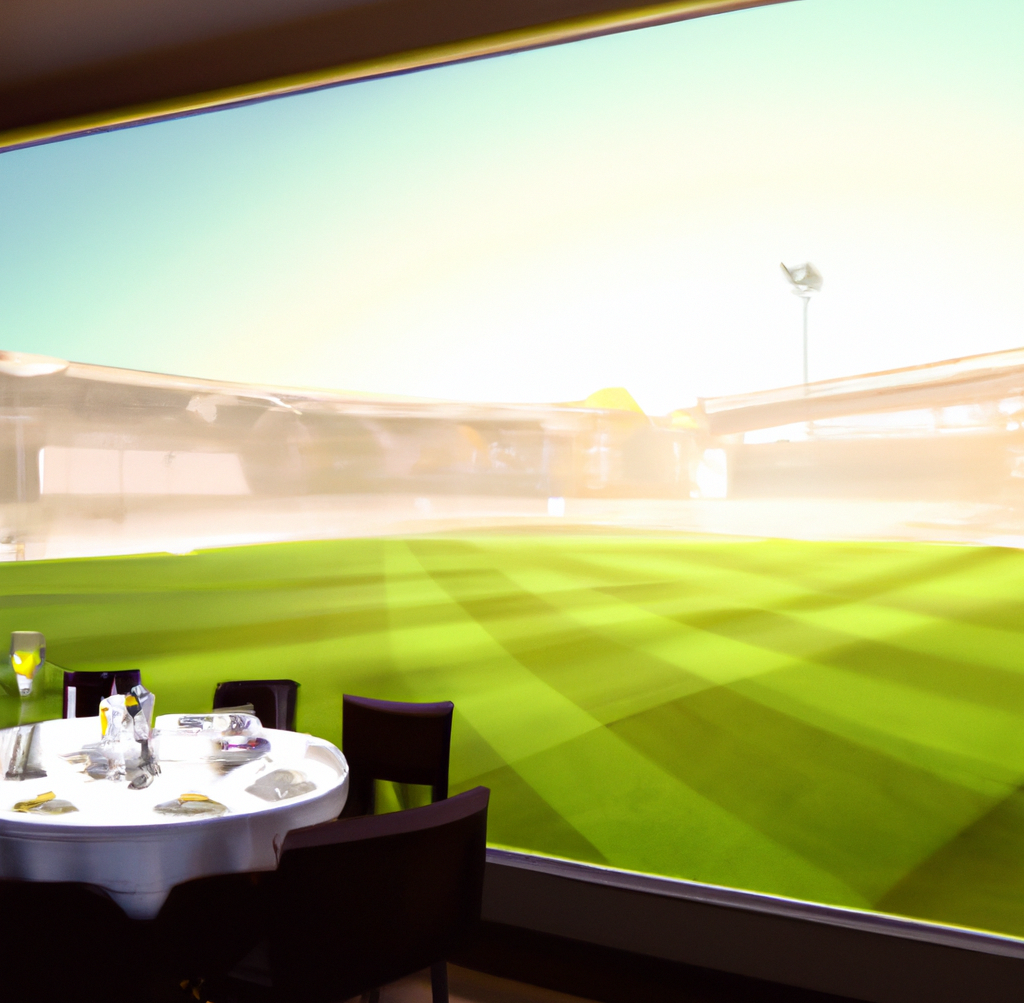
The restaurant faces the playground The restaurant faces the playground
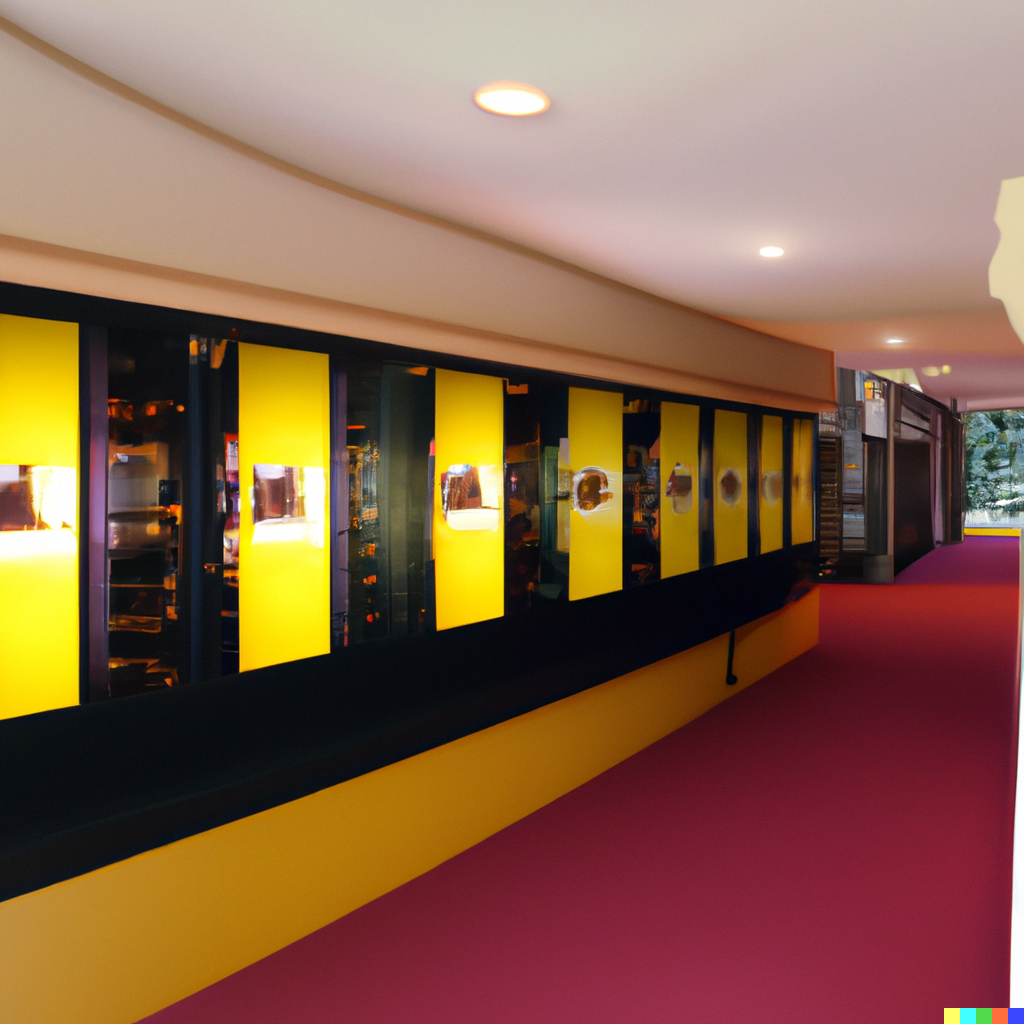
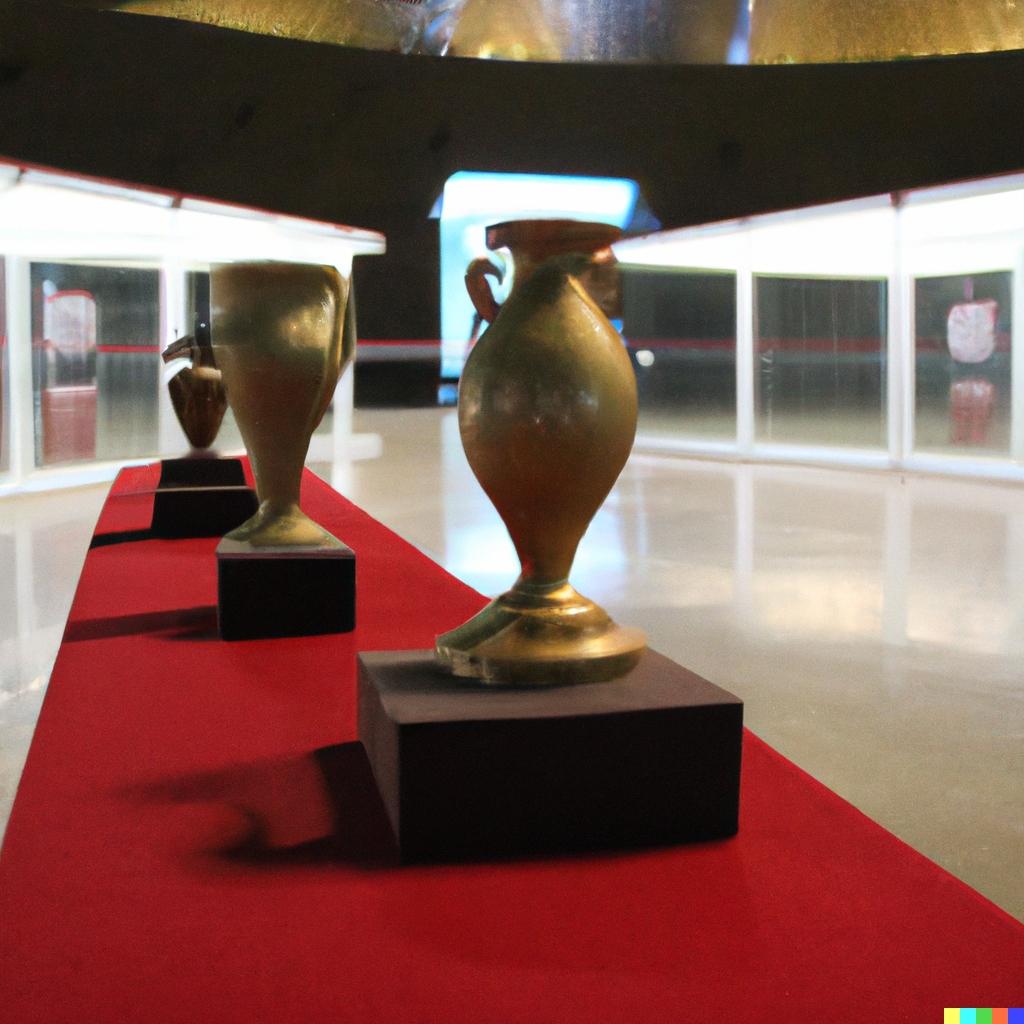
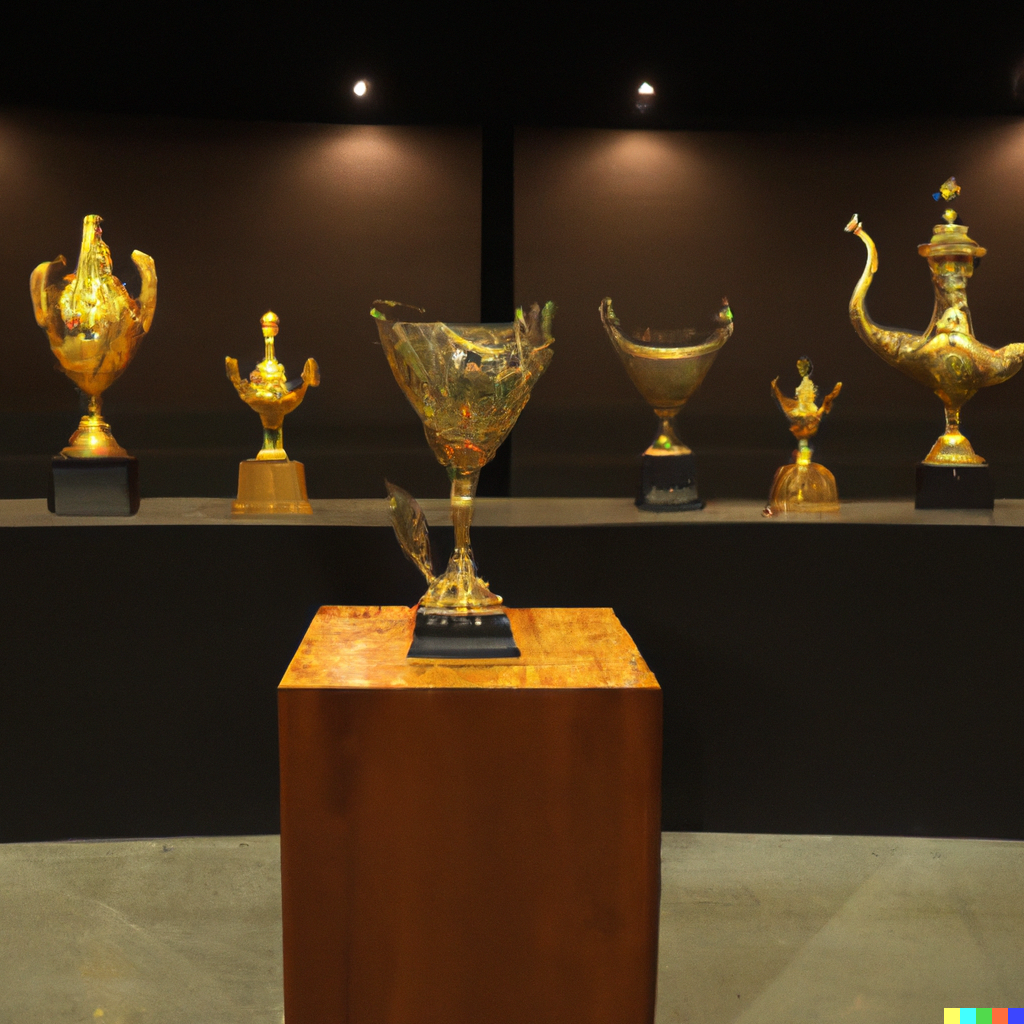
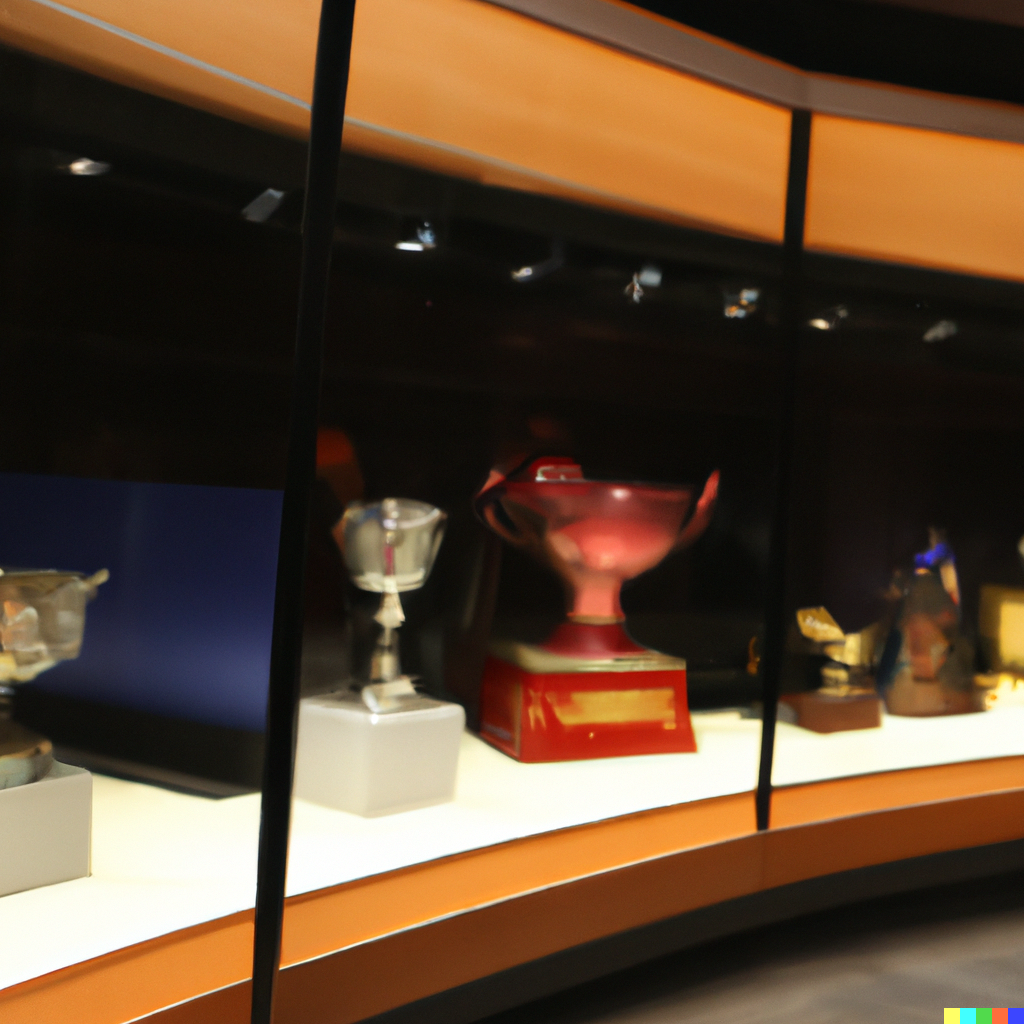
Sports Museum
Sports Museum Sports Museum
Sports Museum
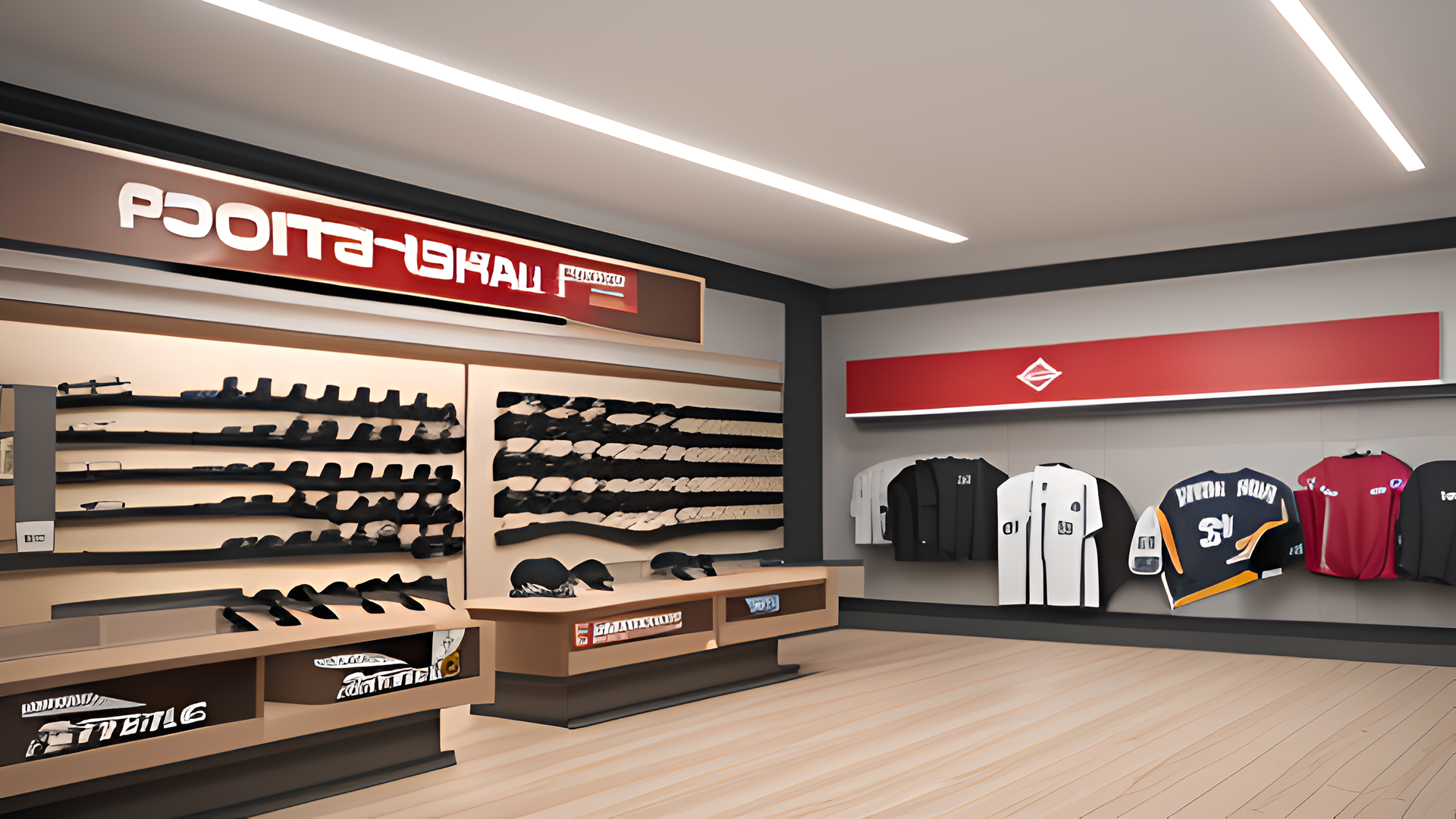
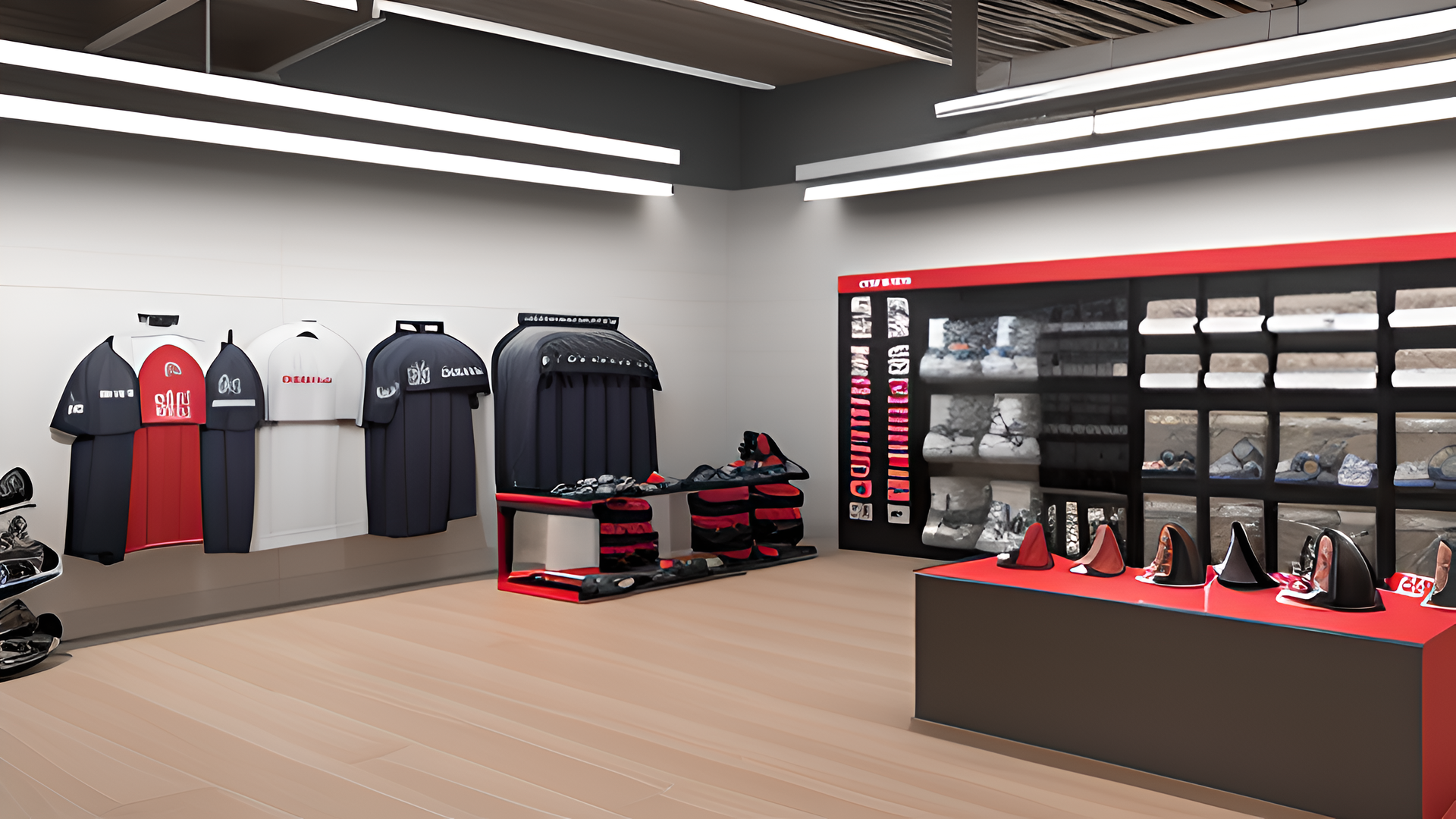
Stadium stores Stadium stores
Interior view of the stadium with large monitors Stadium Parking
Interior view of the stadium with large monitors
The football stadium boasts a multifaceted experience with a museum, restaurant, hotel rooms, top-notch security, large monitors, diverse shops, and stores, offering visitors a dynamic and immersive environment.
Project 1 Designing Ahvaz Football Stadium Amir Marashi, Architecture student
08 ARCHITECTURE PORTFOLIO, AMIR MARASHI
Ahvaz Football Stadium: A Model of Innovation and Societal Impact
The Ahvaz Football Stadium, an architectural marvel, is poised to revolutionize the way we perceive sports arenas. Beyond its existing features, here are some innovative ideas that could further elevate this remarkable stadium:
Interactive LED Facade: Imagine a stadium exterior adorned with LED panels that can display dynamic visuals, live scores, and even interact with the audience. This not only enhances the visual appeal but also creates an immersive experience for fans.
Green Energy Generation: In addition to solar panels, the stadium could incorporate wind turbines and piezoelectric pathways that generate energy from crowd movement. This surplus energy could be channeled back into the grid, making the stadium a net energy contributor.
Smart Seating: Introduce smart seating that can adjust to provide the best viewing angles and comfort for spectators. These seats could also include augmented reality interfaces that provide real-time statistics, replays, and even food and beverage ordering.
Community Gardens: Expand the concept of sustainable landscaping by integrating community gardens within the stadium’s premises. These gardens could be used for urban farming, offering fresh produce for local communities.
Sports Tech Hub: Establish a sports technology research and development center within the stadium. This hub would focus on innovations like player performance analytics, injury prevention, and sports equipment advancements.
Sports Diplomacy: The stadium could serve as a platform for sports diplomacy, hosting peace matches and international sports events aimed at fostering understanding and cooperation among nations.
Wellness and Health Clinics: Incorporate wellness and health clinics within the stadium, promoting not only physical fitness but also mental health awareness and support services for athletes and spectators alike.
Underground Parking: Create an underground parking system that preserves the stadium’s aesthetics while efficiently accommodating the influx of visitors during major events.
Sensory Design: Develop a sensory-friendly stadium section to ensure that fans with sensory sensitivities, such as autism, can enjoy the games comfortably.
Inclusive Art Installations: Encourage local artists to create inclusive and interactive art installations within the stadium, making it a destination for cultural exploration.
Cultural Exchange Spaces: Designate spaces for cultural exchange where fans from diverse backgrounds can share their traditions and experiences, fostering cross-cultural understanding.
Virtual Reality Zones: Introduce virtual reality zones where visitors can virtually explore the stadium’s history, engineering, and sustainability efforts.